Empower every teacher to form high-impact student groups using real academic and behavioral insights — so every lesson is purposeful and every classroom runs smoothly.
Easy for teachers to use Simple for admins to manage
Centralized data, classroom-ready
Upload and manage key data centrally, so teachers can group students using accurate, aligned information.
Shared control, districtwide
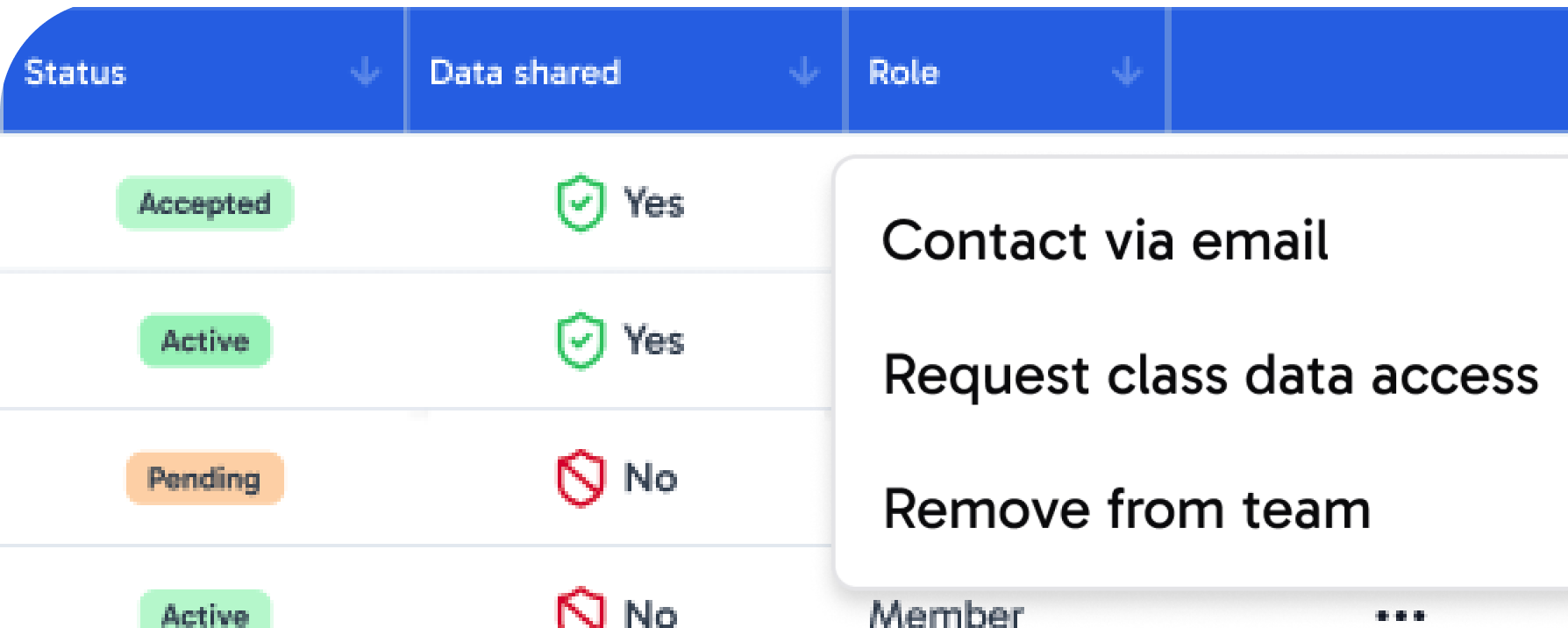
Admins control which data powers grouping, while monitoring participation and managing team access.
Insight that supports instruction
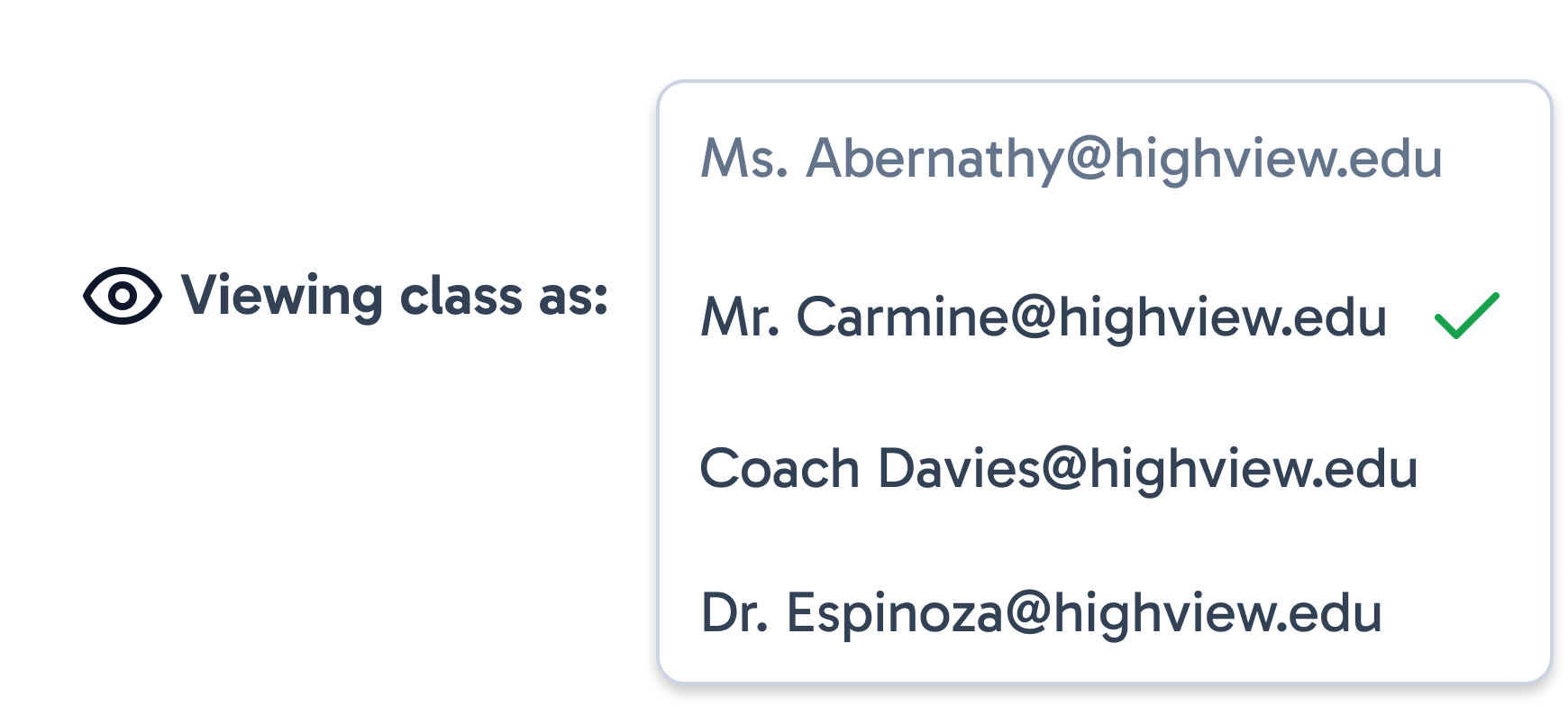
Admins have visibility into their teachers' groupings and the ability to support classroom decisions.
Get up and running in minutes
Grouper supports auto-rostering, so teachers can log in instantly using the tools they already know.
Built for every role
For teachers
Save hours every week
Create balanced groups in seconds. Mix or match students by reading level, learning style, intervention tier, or any custom attribute your school tracks.
For instructional coaches
Ensure consistency
Help teachers move from random grouping to strategic, data-informed decisions. Share best practices and attributes across grade levels and departments.
For district leaders
Gain visibility
See how small-group learning supports differentiation across your schools. Track adoption, ensure instructional consistency, and measure impact.
Balanced grouping — without spreadsheets, chaos, or guesswork
Grouper makes it simple for teachers to group students based on what matters most, without the spreadsheet chaos.
Edmond K
Yoshiko A
Odell B
Alexie H
Marge A
Sadie F
Barney M
Kaylin L
Sabrina D
Emmett K
Kobe G
Hadley D
Dejuan B
Garrett B
Ana S
Kira C
Bruce R
Sandrine W
Cristian V
Hailie C
Import from tools like
Security and privacy by design
Grouper was designed with student data protection at its core. We comply with COPPA and FERPA, align with the NIST Cybersecurity Framework 2.0, and encrypt all data in transit and at rest. We are signatories to a growing number of district and state Data Privacy Agreements and collect only the information required to support student grouping.
QuestionHow is Grouper different from random grouping or teacher intuition?
AnswerGrouper combines teacher knowledge with student data to create balanced groups in seconds. Instead of spending 20-30 minutes manually sorting students, teachers can create groups based on multiple attributes—reading level, behavior needs, learning style—with just a few clicks. The result is more thoughtful groups in a fraction of the time.
QuestionWhat data sources can we import?
AnswerGrouper integrates with Google Classroom and Clever, and you can also upload CSV files from any Student Information System (SIS). We support any attribute data you want to track—reading levels, math proficiency, intervention tiers, behavior goals, language proficiency, gifted services, and more.
QuestionIs student data secure, and will you sign a Data Privacy Agreement (DPA) with our district?
AnswerGrouper is committed to keeping student data private and has a strict privacy policy. The company has completed data privacy agreements with large school districts, such as New York City, as well as various counties in Florida. If a district initially blocks the site due to privacy concerns, Grouper support can assist teachers in requesting approval from technology departments if needed.
QuestionCan teachers share attributes across our school?
AnswerYes! With a Central account, district or school admins can upload student attributes (like reading levels, MTSS tiers, or IEP accommodations) once, and make them available to every teacher in the building. Individual teachers can also add their own classroom-specific attributes at any time.
QuestionCan we pay via Purchase Order (PO) and are there volume discounts for departments or whole schools?
AnswerYes. Grouper accepts Purchase Orders and can provide the necessary vendor paperwork, including a W-9 and formal quotes for procurement departments. While an individual annual license is approximately $83.88 per year, Grouper offers significant volume discounts off the base price when purchasing annual licenses for multiple teachers (e.g., a department or school-wide license). Administrators can pay in a single lump sum rather than requiring teachers to pay individually